
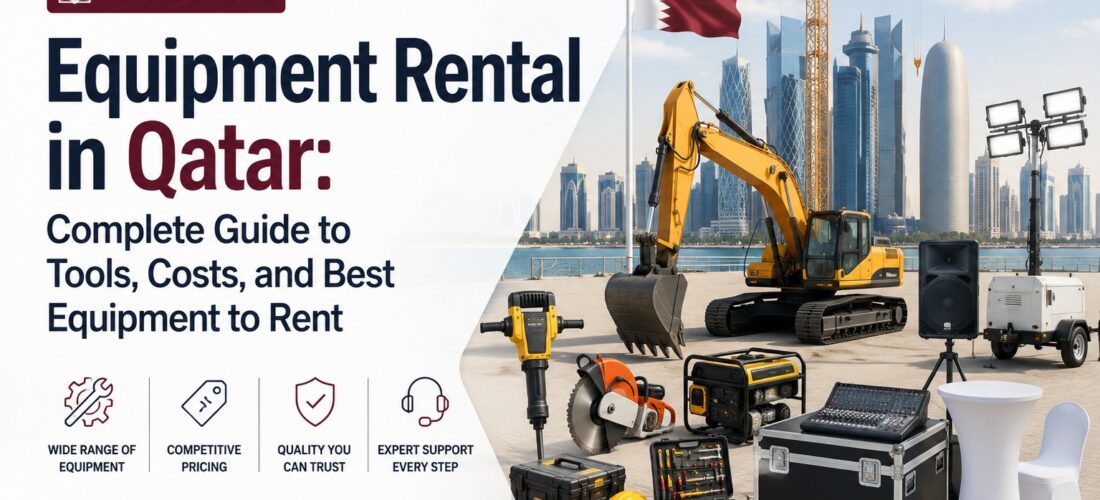
Construction, infrastructure, oil and gas, manufacturing, and event projects all depend on reliable equipment to stay productive and meet deadlines. However, purchasing heavy machinery and specialized tools can require a significant investment, especially for projects with limited durations or changing requirements. This is why equipment rental has become the preferred choice for many businesses operating in Qatar.
Whether you’re managing a construction site, industrial shutdown, infrastructure development, or temporary event, choosing the right rental equipment can improve efficiency while reducing operational costs. This guide explains everything you need to know about equipment rental in Qatar, including the types of equipment available, rental costs, and how to select the right equipment for your project.
Why Choose Equipment Rental Instead of Buying?
Buying equipment is a long-term investment that includes maintenance expenses, insurance, transportation, storage, depreciation, and repair costs. Renting eliminates many of these responsibilities while providing access to high-quality machinery whenever required.
Equipment rental is particularly beneficial when:
- Projects are short-term.
- Equipment is required only occasionally.
- Budgets need to be optimized.
- Multiple equipment types are needed across different project phases.
- Businesses want access to the latest technology without replacing owned machinery.
Rental also allows companies to scale equipment requirements based on project size without committing to expensive purchases.
Types of Equipment Available for Rent
Different projects require different types of equipment. Choosing the right machinery helps improve productivity, maintain safety, and keep projects on schedule. Some of the most commonly rented equipment includes:
- Generators: Provide reliable temporary power for construction sites, industrial facilities, events, and emergency backup applications. Generator rentals are available in various capacities to suit different power requirements.
- Air Compressors: Ideal for powering pneumatic tools, drilling, sandblasting, painting, and other industrial operations. Air compressors are available in multiple CFM ratings to match project demands.
- Lighting Towers: Designed to illuminate construction sites, roadworks, mining operations, and outdoor events during night shifts or in low-light conditions, improving both safety and productivity.
- Welding Machines: Essential for fabrication, structural steel work, pipeline installation, repairs, and industrial maintenance. Renting welding machines offers flexibility without the cost of ownership.
- Dewatering Pumps: Used to remove groundwater, rainwater, or accumulated water from construction sites, excavations, tunnels, and infrastructure projects, ensuring uninterrupted work.
- Portable Cabins and Site Facilities: Temporary office cabins, accommodation units, security cabins, ablution containers, and pantry cabins provide comfortable and functional site facilities for project teams.
- Power Supply Equipment: Includes electrical distribution panels, cables, transformers, and related accessories that ensure safe and efficient power distribution across project sites.
Factors That Affect Equipment Rental Costs
Rental pricing depends on several important factors rather than a single fixed rate.
1. Equipment Type
Larger, more specialized machinery generally has higher rental costs than standard construction tools because of their capacity and technical specifications.
2. Rental Duration
Daily rentals usually have higher per-day costs compared to weekly or monthly agreements. Long-term rentals often provide better overall value.
3. Equipment Capacity
A higher-capacity generator or air compressor typically costs more than smaller models due to increased performance and fuel efficiency.
4. Transportation
Delivery and collection charges may vary depending on the project location, especially for remote industrial sites.
5. Maintenance and Support
Many rental agreements include maintenance, inspections, and technical support, helping reduce unexpected operational expenses during the rental period.
How to Choose the Right Equipment
Selecting equipment should always begin with understanding the project’s operational requirements.
Start by identifying the exact application and expected workload. Consider how many hours the equipment will operate daily and evaluate whether diesel, electric, or solar-powered options best suit your site conditions.
It’s equally important to estimate future project needs. Renting equipment with slightly greater capacity than immediate requirements often prevents delays caused by increasing workloads later in the project.
Businesses should also confirm that rental equipment complies with local safety standards and has been regularly inspected before deployment.
Benefits of Working with a Reliable Rental Partner
Choosing an experienced equipment rental provider offers advantages beyond simply supplying machinery.
A dependable rental company maintains equipment regularly, minimizing downtime and ensuring reliable performance throughout the rental period. Flexible rental plans allow businesses to increase or reduce equipment requirements as projects evolve.
Professional support teams can recommend suitable equipment combinations, helping customers avoid unnecessary rental expenses while maximizing productivity.
Fast delivery and responsive service are equally valuable for projects operating under tight deadlines, where equipment availability directly impacts progress. Kandas Rental provides short-term and long-term rental options, a diverse equipment fleet, 24/7 support, and industry-specific solutions for construction, oil and gas, infrastructure, mining, marine, utilities, and events throughout Qatar.
Common Mistakes to Avoid When Renting Equipment
Many businesses can improve project efficiency by avoiding these common mistakes:
- Choosing equipment based only on price rather than project requirements.
- Underestimating equipment capacity.
- Ignoring transportation and delivery planning.
- Failing to inspect equipment before use.
- Renting from providers without maintenance support.
- Waiting until peak construction seasons to arrange rentals.
Planning equipment requirements in advance helps ensure better availability and smoother project execution.
Conclusion
Equipment rental offers businesses in Qatar a practical and cost-effective alternative to purchasing expensive machinery. Whether your project requires generators, air compressors, lighting towers, welding machines, or dewatering pumps, renting provides flexibility, reduced maintenance responsibilities, and access to modern equipment without significant capital investment.
By working with an experienced rental provider and selecting equipment based on project requirements, businesses can improve operational efficiency, reduce costs, and keep projects running on schedule from start to finish.
Frequently Asked Questions
1. Why should I rent equipment instead of buying it?
Renting reduces upfront costs, eliminates maintenance responsibilities, and provides flexibility for short-term or project-based equipment needs.
2. Which industries commonly use equipment rental in Qatar?
Construction, oil and gas, infrastructure, manufacturing, utilities, mining, marine, and event management industries frequently rely on rental equipment.
3. What types of equipment can I rent?
Common rental equipment includes generators, air compressors, lighting towers, welding machines, dewatering pumps, construction equipment, and temporary site facilities.
4. How is equipment rental pricing calculated?
Rental costs depend on equipment type, capacity, rental duration, transportation, maintenance support, and project location.
5. How do I choose the right rental equipment?
Evaluate your project scope, required capacity, operating conditions, rental duration, and safety requirements before selecting equipment. Consulting an experienced rental provider can also help ensure you choose the most suitable solution.
- July 23, 2026
- By:rental-admin
- Category:Uncategorized
- one comment
Related Posts
- August 17, 2026
- By: Febin
- in: Uncategorized




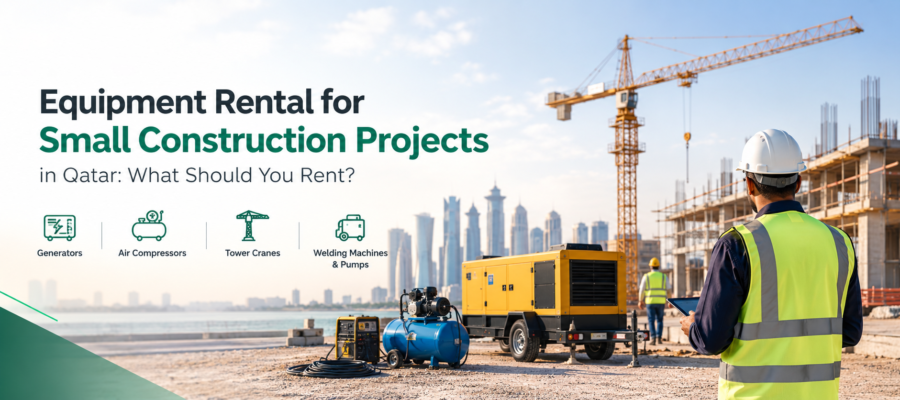
Equipment Rental for Small Construction Projects in Qatar: What Should You Rent?
[…] So, what equipment should you rent for a small construction project in Qatar? The answer depends on the work, but common requirements include generators, air compressors, welding machines, lighting towers, and dewatering pumps. For a broader overview, contractors can also refer to this complete guide to equipment rental qatar. […]